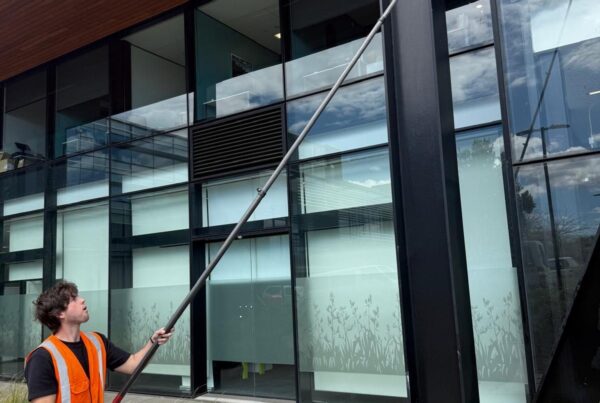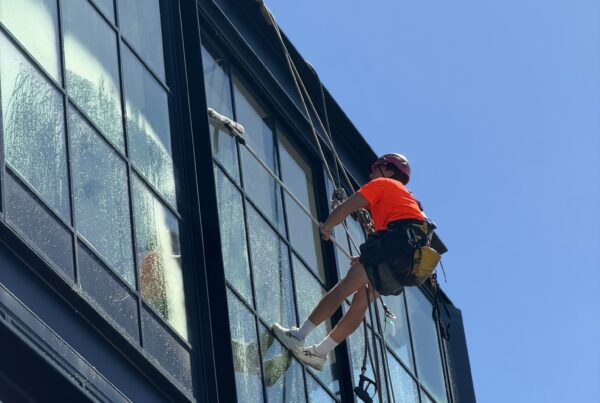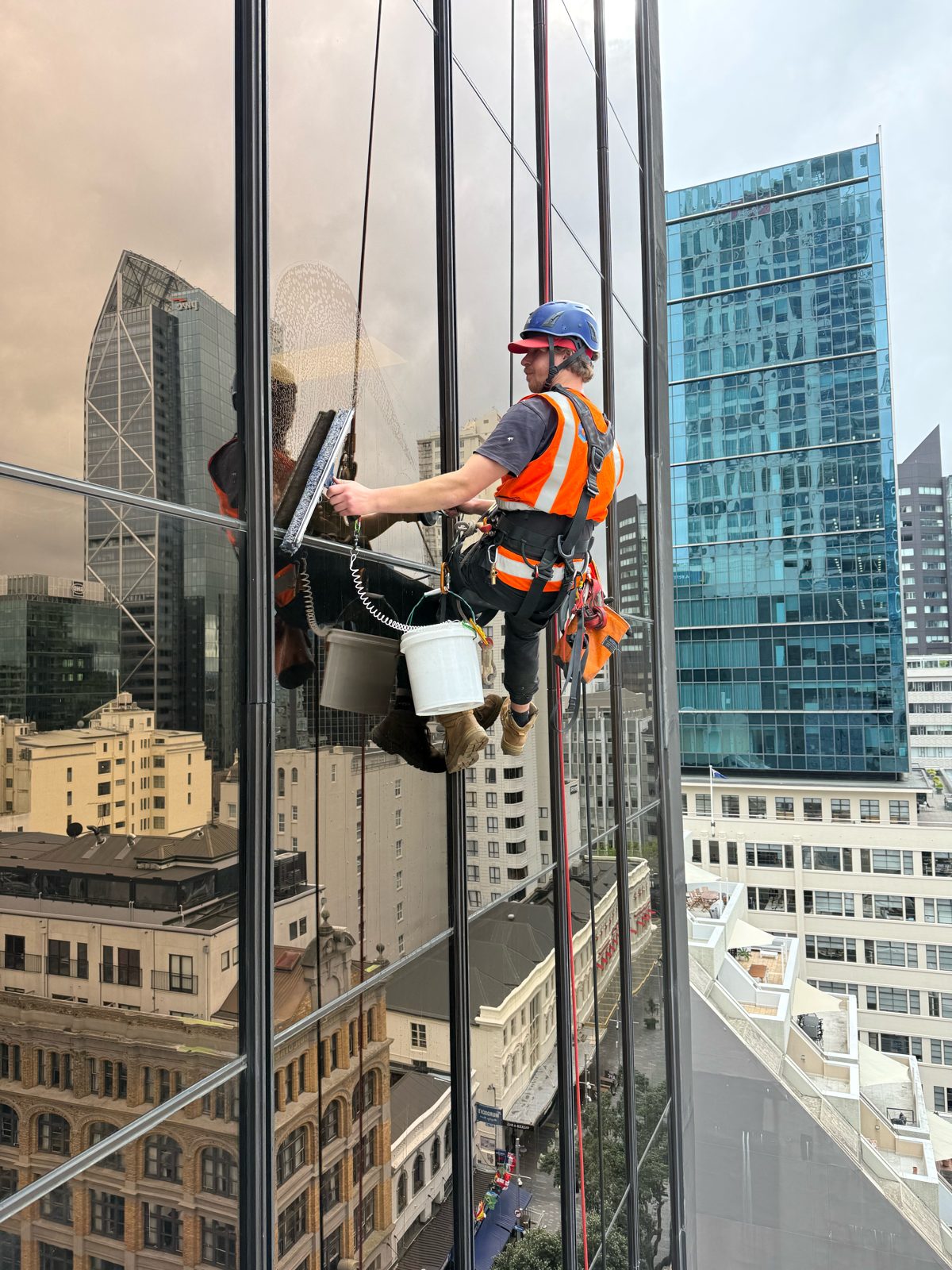
Let’s talk about health and safety for tradies, honestly. I run a rope access and building maintenance business working at height in Auckland, and I’ve been in rope access since 2005, back when “the plan” was often just a quick chat at the bottom of the building.
Back then, a lot of us were cowboys. And I’ll be honest: at the time, there was something kind of cool about it.
The old-school cowboy tradie
The cowboy tradie was capable. He (it was nearly always a he) could look at a job, figure it out on the spot and get it done with whatever was on the truck. He trusted his hands, his balance and his gut. If something needed doing, he did it.
And we looked up to those guys. When I was starting out, the blokes I came up under were the ones everyone wanted to be. They were strong. They’d carry gear all day and still be first on site in the morning. But it wasn’t just muscle. They were clever, properly clever, in a way you don’t learn from a book.
They could read a job in about thirty seconds. Walk round a building once and they’d tell you where the access was, what was going to slow you down and how long it’d really take. When something didn’t go to plan, they didn’t stand around scratching their heads. They’d think it through and come up with a fix.
They made the job look easy, too. Watching a good old-school hand work was like watching someone who’d been born doing it. Smooth, no wasted effort, no fuss. As a young fella you’d watch them and think, “That’s what I want to be.”
They gave you pride in the trade. They’d tell you when your work wasn’t good enough and show you how to do it right. Being on their crew meant something. A lot of what I know about reading a building, I picked up just by watching how those guys went about it.
That practical skill is real, and it’s worth something. I don’t want anyone reading this to think the old-school guys were just reckless. Most of them were brilliant at what they did.
The trouble is, the cowboy way also put a lot of people in hospital, or worse. “She’ll be right” works right up until it doesn’t. Being skilled never made anyone bulletproof. The skill was the thing to look up to, not the shortcuts. The best way to respect those guys now is to keep their know-how and drop the bits that got people hurt.
Those days are gone, and they should be. The industry is better for it, and I reckon it’s worth talking about what we’ve kept, what we’ve gained and what we can still do better.
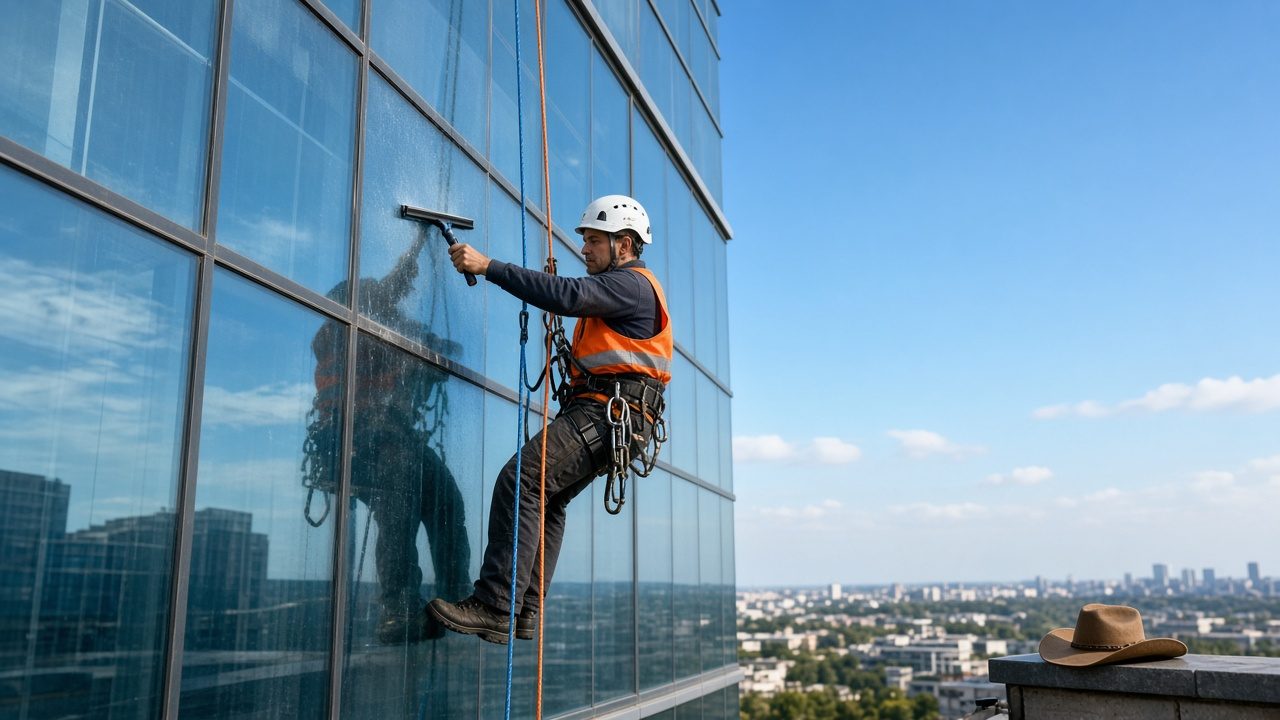
Three everyday jobs: then and now
Here’s what I mean. This is how things were often done back in the old days, not how anyone on a Clean Start crew works. On a Clean Start job we plan the work and follow the plan.
Getting onto a roof
Back in the old days: grab whatever ladder was on the ute, lean it on the gutter and up you went.
Now: the right ladder for the height, on firm, level ground, set at the right angle, secured or footed, sticking up past the gutter so you’ve got something to hold when you step off. Once you’re up, edges, skylights and fragile roofing are dealt with through edge protection, a restraint system or a harness, depending on the job. And it’s all written up in a SWMS (safe work method statement) first.
My honest take: ladders and roof edges are where a lot of falls happen, so doing this properly matters. Footing a ladder takes thirty seconds and stops it kicking out. Even a quick ten-minute look at a gutter gets the same proper setup, and moving a long ladder around a tight site is planned too, with an eye on power lines, people walking past and manual handling.
Getting over a fence
Back in the old days: people would just hop it.
Now: find the gate, get a key, ring the site contact or bring a step ladder.
My honest take: a fence top can be loose, wet or sharp, and a bad landing means a rolled ankle or a busted wrist. It’s not worth a week off. So we use the gate, even when it’s a ten-minute walk around.
Going from a higher roof down to a lower roof
Back in the old days: people would sit on the edge, lower themselves down and drop the last bit.
Now: a ladder between the two levels, set up and secured properly, and fall protection planned for both roofs.
My honest take: a drop that feels like nothing can still go badly wrong. Land on a skylight, a rotten sheet or a wet spot and you’re through the roof or over the edge. Doing it properly takes a bit more time and more gear, and that gear is planned and managed like everything else on the job, so it stays tidy and out of the way.
What compliance gets right
I’m not anti-safety. Far from it. Here’s what the modern way gets right:
- Everyone goes home. That’s the whole point, and it beats any amount of time saved.
- It protects the young ones. A 19-year-old thinks he’s bulletproof. I did too. Good systems protect people from their own overconfidence while they learn.
- It’s fair on clients. Building owners, property managers and main contractors have their own duties under the Health and Safety at Work Act 2015. They need to know we’ve thought it through.
- Insurance and contracts depend on it. No proper systems, no bigger commercial jobs, and fair enough.
- There’s a record when something goes wrong. A written plan, pre-start checks and photos show what was planned and done. That protects the crew too.
WorkSafe’s working at height guidance is worth a read if you want the detail on how falls should be planned for.
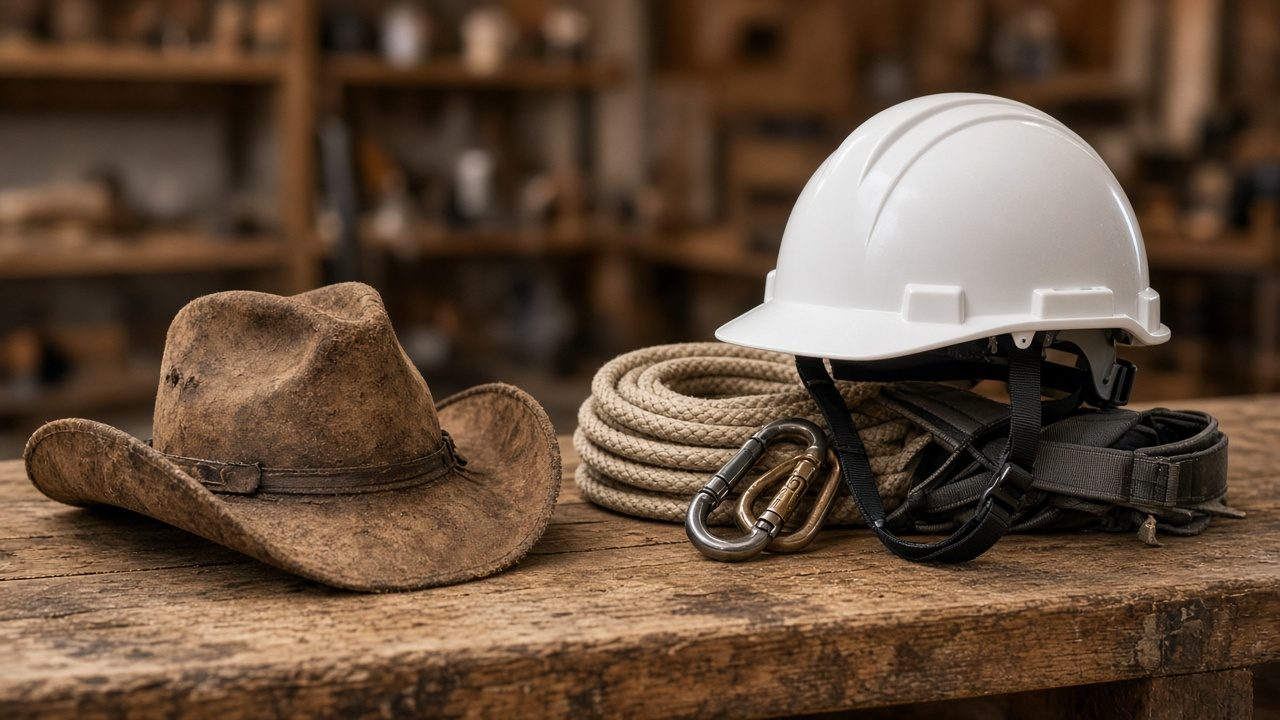
Making the paperwork work for us
Health and safety is about thinking, and good paperwork is how that thinking gets planned, shared and checked. As an industry, I reckon the best thing we can all keep doing is making sure the paperwork stays practical:
- Paperwork that captures real risk thinking. The best plans come from people looking at the actual site and writing down what matters there.
- Documents the crew actually uses. A plan that’s clear and specific to the job is one the crew can read, understand and follow on the day. That’s where we put our effort.
- Time well spent. Good planning takes time, and that time is worth it when it goes into managing the real risks.
- Experience feeding into the plan. When someone with years on the tools spots a risk, the best systems make it easy to get that into the plan.
In general terms, the Health and Safety at Work Act 2015 is about managing risks so far as is reasonably practicable and involving the workers who do the job. Good, practical paperwork is a big part of how we do that.
Building a culture people believe in
The best safety culture is one where people feel trusted and supported, not just checked on. That’s the culture I want on our crew.
In a genuine safety culture, people report near misses because it helps everyone learn. Anyone can stop the job if something looks wrong. The experienced guys teach the young ones why, not just what. Good systems and good people working together make that happen.
Common sense plus compliance
So here’s where I land. We don’t get to be cowboys anymore, and the industry’s better for it. At Clean Start we do it properly: we start every day with a pre-start, we have a SWMS for each job, and we follow the plan.
I want health and safety that’s practical. That means it respects skill and experience, focuses on the real risks, and backs that up with clear, useful paperwork. Common sense plus compliance, not one instead of the other.
Health and safety for tradies: FAQs
Do tradies in New Zealand have to follow health and safety rules?
Yes. The Health and Safety at Work Act 2015 applies to businesses and workers, including tradies and contractors. Businesses must manage work risks so far as is reasonably practicable, and workers must take reasonable care of their own safety and others’.
What is a SWMS?
A safe work method statement (SWMS) is a written plan for a job. It sets out the steps, the risks at each step and how they’ll be controlled. A good one is clear, specific to the site and actually used by the crew.
Do you need a harness to work on a roof in NZ?
It depends on the job and the risk. Fall risks need to be planned for. Edge protection, a restraint system or a harness are common controls, and the job plan should say which one is used and why. WorkSafe’s working at height guidance has more detail.
Can experienced tradies still use their own judgement?
They should. Good health and safety relies on the people doing the work spotting risks and speaking up. In New Zealand, workers also have a right to stop or refuse work if they reasonably believe it would expose them to a serious risk to their health or safety.
Does health and safety planning make jobs cost more?
Good planning takes some time, and that time is part of doing the job properly. The aim is planning that’s clear, specific and useful, so the time goes into managing the real risks.
Want a crew that’s safe and practical?
If you need building washing, window cleaning or other work at height in Auckland, and you want a crew that does it safely and properly, talk to us. We’ll look at your building, plan it properly and give you a straight answer. Get a free quote or see our building washing and window cleaning services.
Pernell Turner, Clean Start Property Services